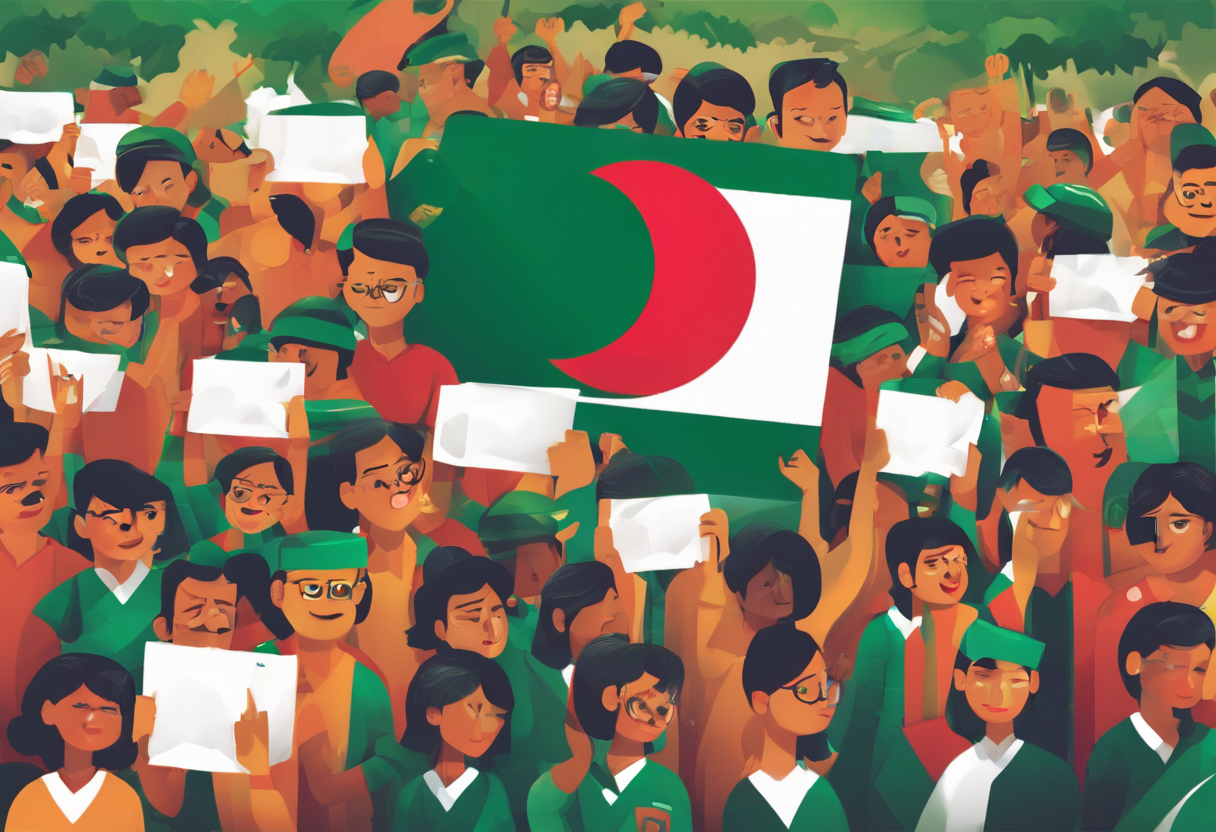
The history of Bangladesh’s struggle for independence began in 1947, when the subcontinent was divided into two nations: India and Pakistan. Bangladesh, then known as East Pakistan, became a part of Pakistan despite being culturally and geographically different from West Pakistan. This division sparked discontent among the Bengalis of East Pakistan who felt marginalized and oppressed by the central government in West Pakistan.
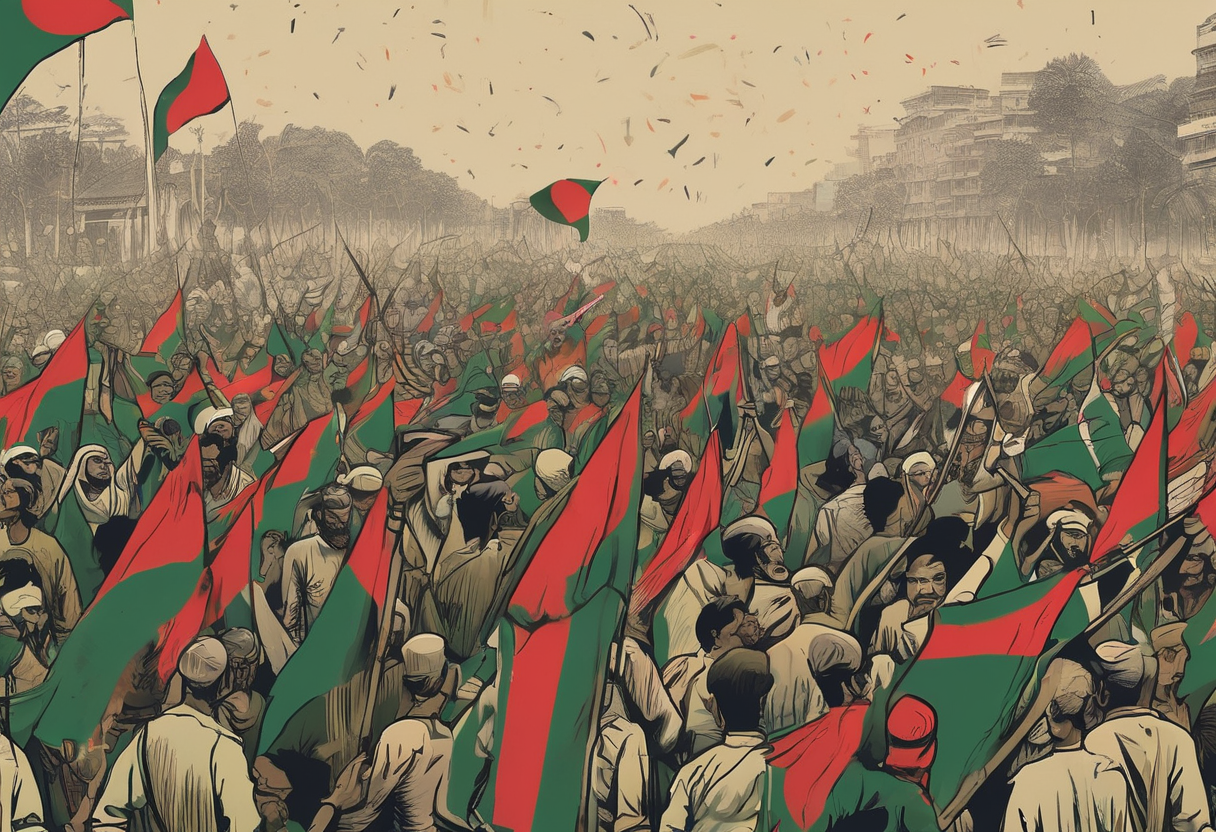
The discontent turned into a mass movement for independence in 1971, fueled by economic disparities, discrimination, and oppression by the Pakistani authorities. The people of Bangladesh were determined to break free from the shackles of their oppressors and establish their own nation. A liberation war was waged against Pakistan, and after nine months of intense fighting, Bangladesh finally gained its independence on December 16, 1971. The war left a devastating toll on the country, with millions of lives lost, but it also united and strengthened the people of Bangladesh in the fight for freedom.
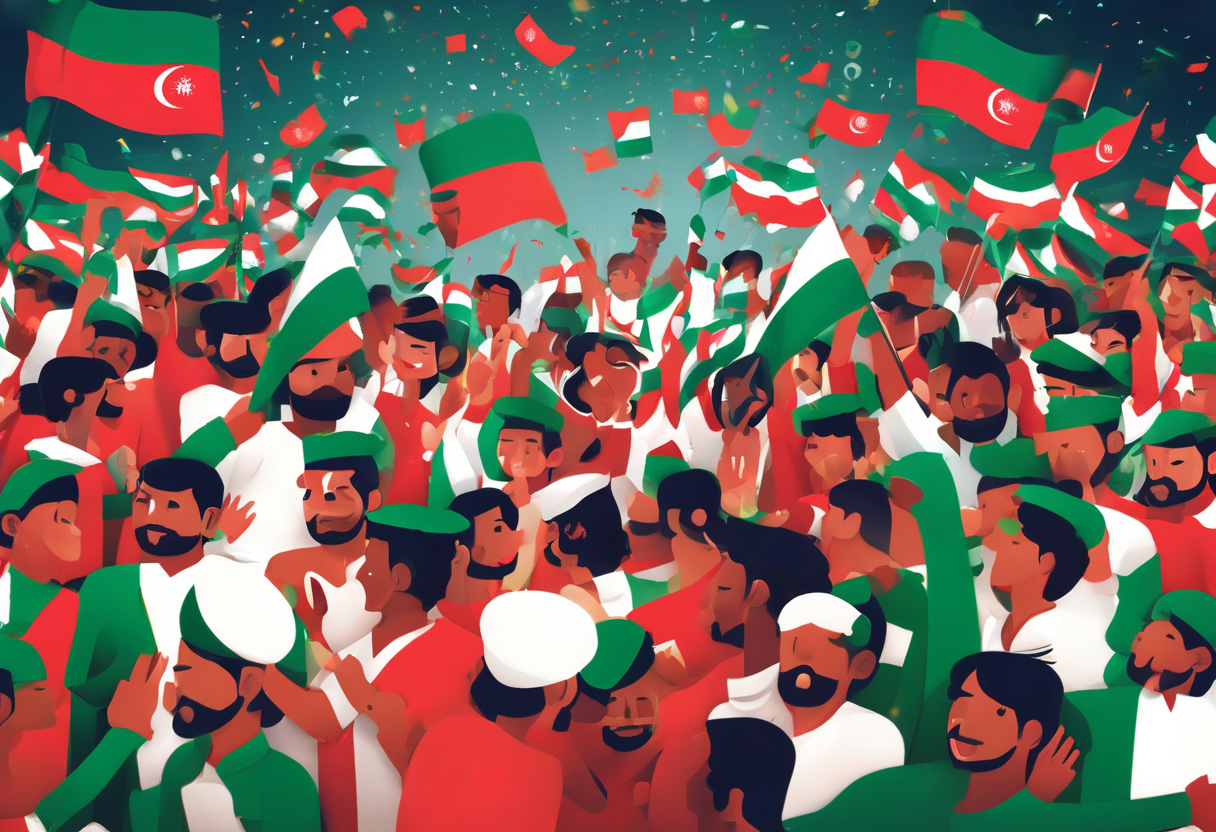
Today, December 16 is celebrated as Victory Day in Bangladesh, marking the triumph of its people over oppression and their determination to establish a sovereign and independent nation. The history of Bangladesh’s struggle for independence is a testament to the strength and resilience of its people, who overcame immense challenges and sacrifices to achieve their dreams.
Through this journey, Bangladesh has emerged as a country with a rich cultural, linguistic, and political identity. Its struggles have shaped its history and continue to shape its present and future. As Bangladesh celebrates its 50th year of independence in 2021, it is a time for reflection and gratitude towards the brave souls who fought for its freedom and a reminder to never take the hard-earned independence for granted.